Saltillo has cold winters, dry summers and big swings between day and night temperatures. Here is how design can use them for a more comfortable home that uses less energy.
Saltillo sits at about 1,600 meters of altitude with a semi-arid climate: cold winters, hot dry summers and a noticeable difference between day and night temperatures. Designing with that climate—not against it—makes a home more comfortable and lowers what you spend on heating and cooling.
The sun is your ally in winter
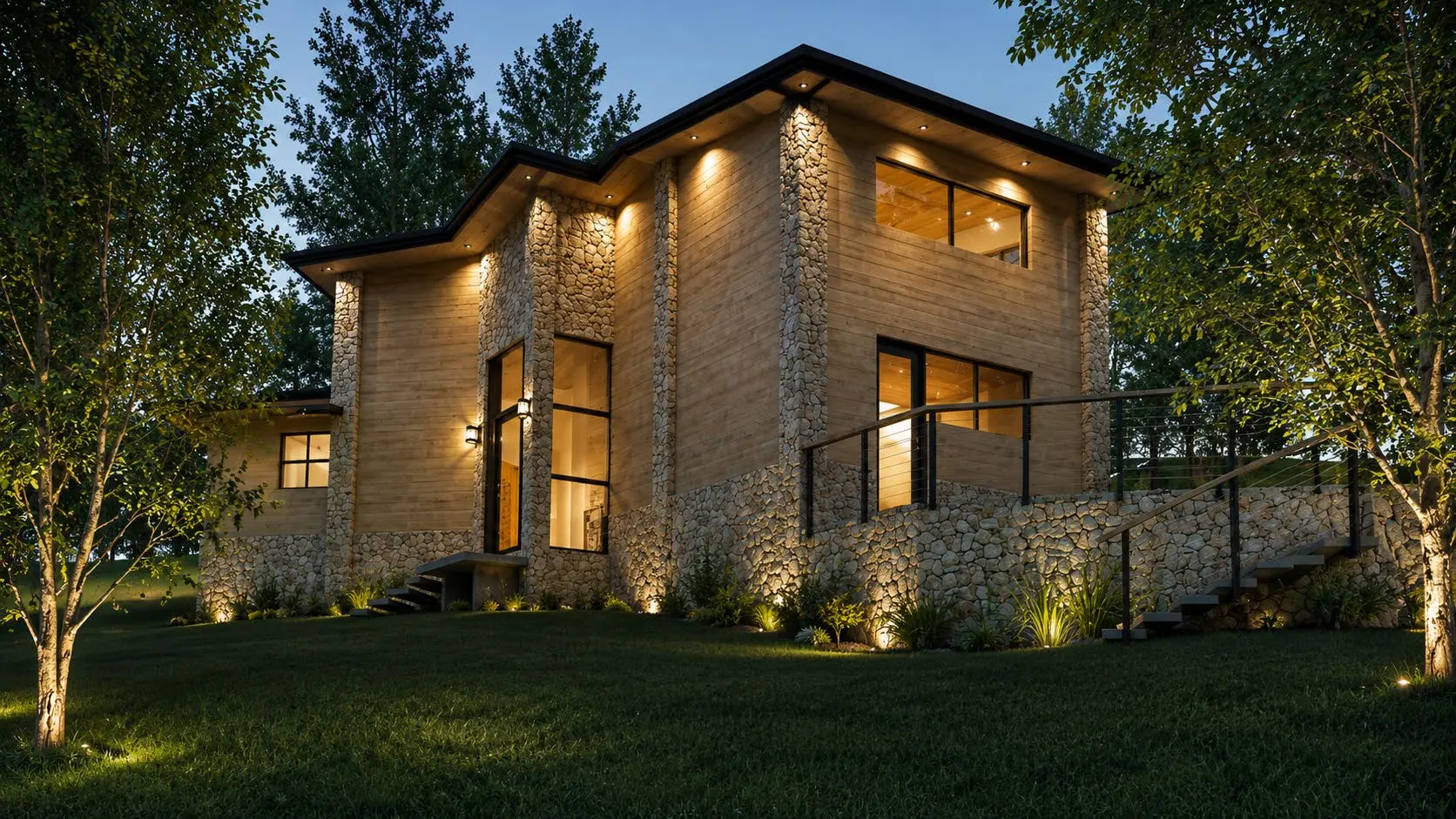
At our latitude, the winter sun travels low across the southern sky. South-facing windows let that sun in and warm floors and walls during the day. It's the strategy we used in the Country House in Arteaga: a large south-facing window wall to capture the sun when it's most needed.
And the enemy in summer
In summer the sun is high, and a well-sized overhang, pergola or eave over those same windows shields them from direct sun. The same window wall warms the house in winter and stays shaded in summer.
West is the hardest orientation: the afternoon sun comes in low and hot. It's best to place fewer windows there and use screens, vegetation or service spaces like the garage and storage.
Thermal mass: storing heat
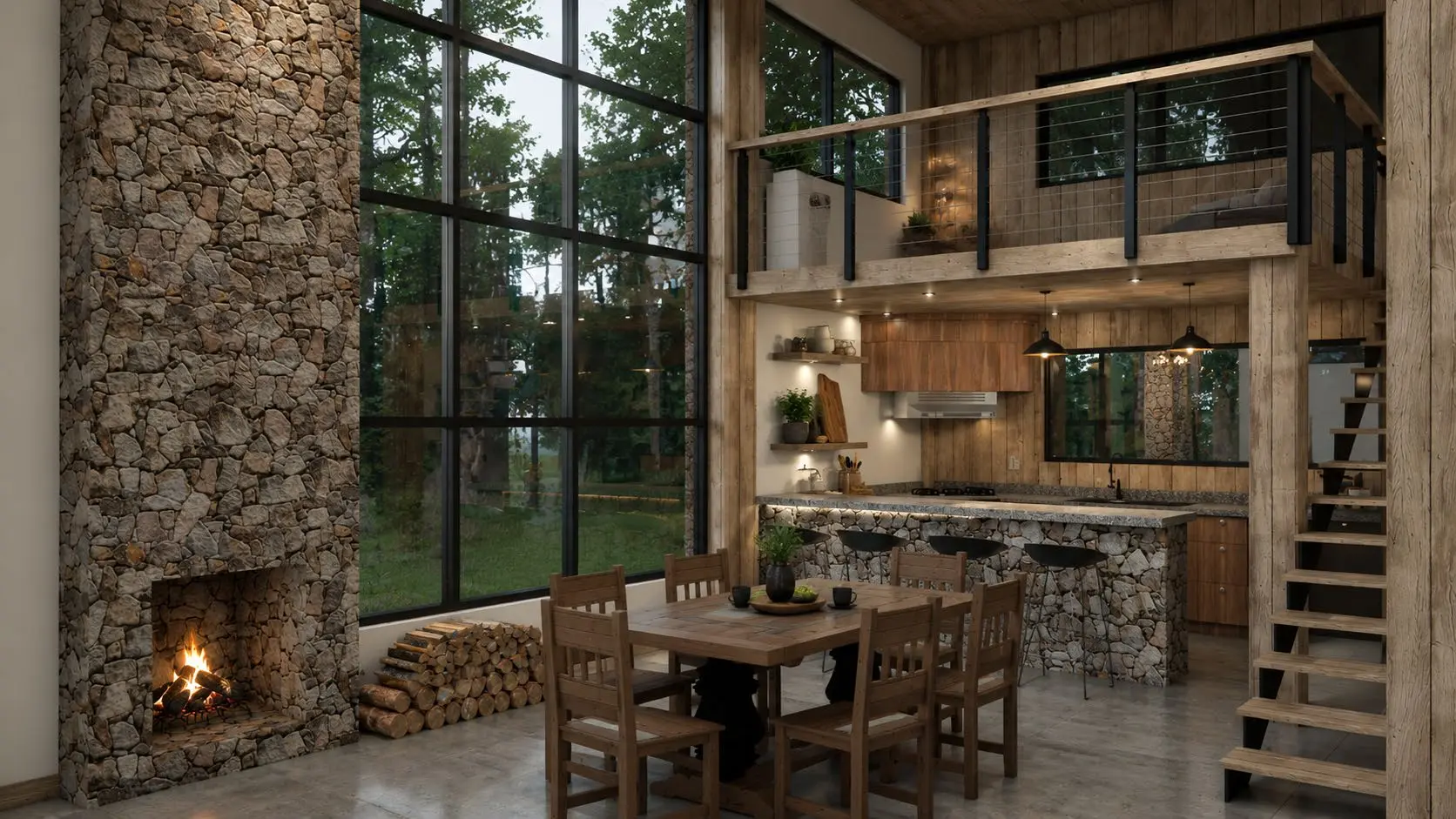
Heavy materials such as stone, concrete and block absorb heat during the day and release it at night. In a climate with cool nights, that thermal inertia evens out temperature swings inside the home.
Cross ventilation
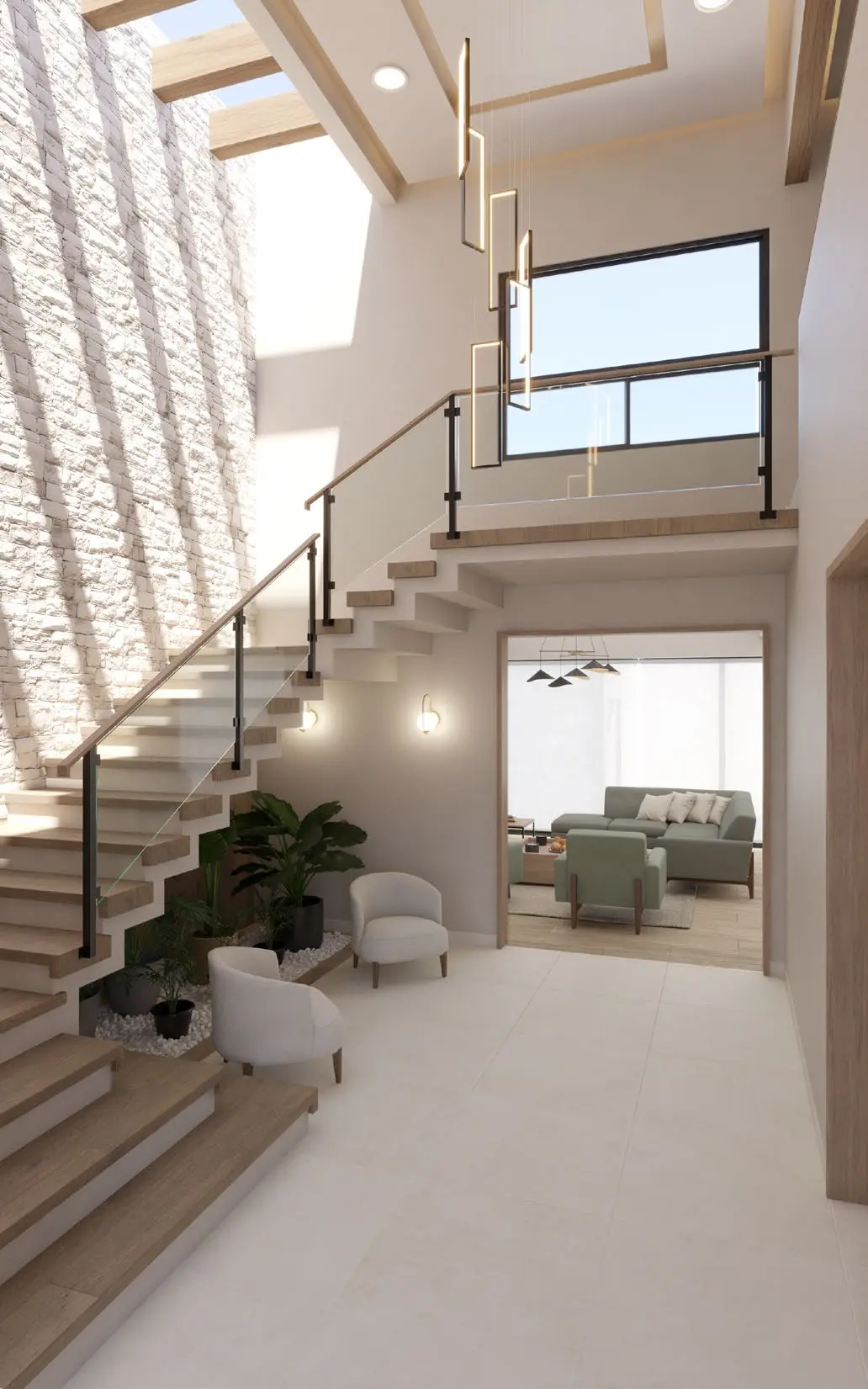
Windows on opposite façades let air flow through spaces and flush out heat on summer nights. Double heights help hot air rise and escape through high windows.
Insulate what loses the most
Roofs and windows are where most energy is lost. Roof insulation and double-glazed windows make a noticeable difference in winter comfort.
None of these strategies is expensive if decided during design. Fixing them later is.